Teeth Whitening: 7 Proven Methods for Brighter Smiles
1. What Is Teeth Whitening?
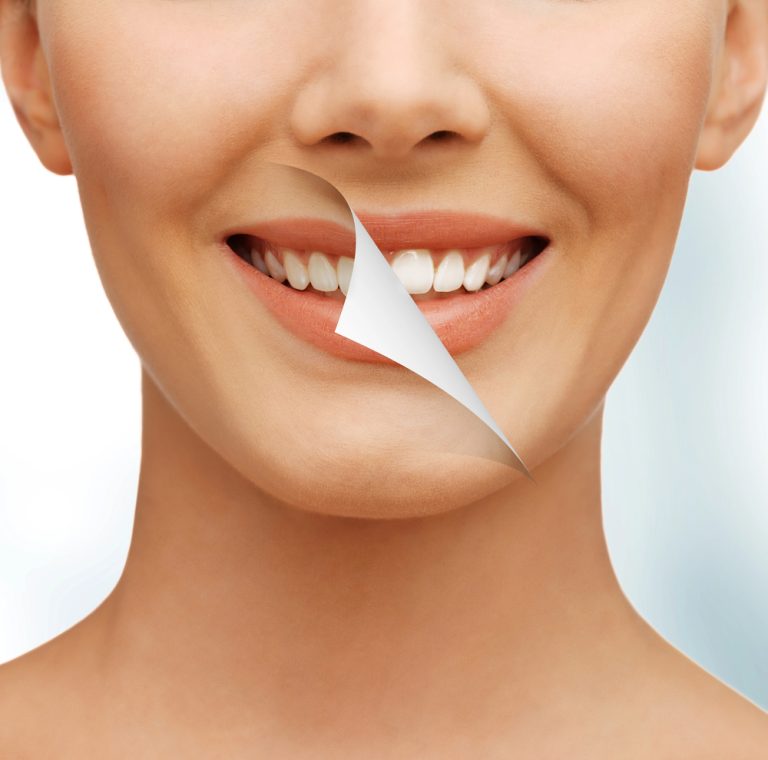
Teeth whitening refers to a variety of treatments and methods that lighten the shade of your teeth and reduce discoloration. People seek teeth whitening because yellow teeth or noticeable stains can affect self-confidence. Unlike regular dental cleaning, which focuses on oral hygiene, whitening targets the cosmetic appearance of your smile.
2. The History of Teeth Whitening
Efforts to brighten smiles go back thousands of years. Ancient Egyptians used a paste of pumice stone and vinegar to achieve white teeth. In the 1800s, barbers often provided rudimentary whitening by filing teeth and applying acidic solutions. Today, teeth whitening has evolved into a science-backed field, offering safer and more effective methods ranging from professional whitening at dental clinics to at-home products designed for sensitive teeth.
3. Causes of Yellow Teeth and Stains
Several factors contribute to discolored teeth:
-
Dietary habits: Coffee, tea, red wine, and dark sauces leave stains.
-
Tobacco use: Smoking or chewing tobacco often causes yellow teeth.
-
Aging: Enamel naturally thins, exposing darker dentin.
-
Medications: Some antibiotics and antihistamines lead to tooth discoloration.
-
Oral hygiene: Inadequate brushing allows plaque buildup, which traps stains.
Understanding these causes helps in choosing the right teeth whitening method.
4. Research and Effectiveness of Teeth Whitening
Modern whitening options have been studied extensively. According to research in PubMed, peroxide-based treatments (hydrogen or carbamide peroxide) are proven to lighten teeth safely when applied under professional supervision. Studies also show that individuals with sensitive teeth can benefit from lower-concentration gels, which balance whitening results with reduced discomfort.
5. The 7 Proven Teeth Whitening Methods
5.1 Professional Dental Cleaning
A routine dental cleaning removes surface stains, plaque, and tartar. While it is not technically teeth whitening, many patients notice their teeth look whiter afterward.
5.2 In-Office Whitening Treatments
Dentists offer professional whitening using concentrated peroxide gels activated by light or laser. This method provides dramatic results in just one session, though it may be costly.
5.3 At-Home Whitening Kits
Whitening kits with custom trays or strips are widely available. These use lower peroxide concentrations, making them safe for sensitive teeth when used correctly.
5.4 Whitening Toothpaste and Mouthwash
These products contain mild abrasives and polishing agents. They are ideal for maintaining white teeth after professional whitening but usually do not remove deep stains.
5.5 Natural Whitening Remedies
Methods such as oil pulling with coconut oil or brushing with baking soda are popular alternatives. While not as powerful as professional whitening, they are gentle and inexpensive.
5.6 Avoiding Stain-Causing Foods and Habits
Preventive action is a form of teeth whitening. Reducing coffee intake, quitting smoking, and rinsing after meals can minimize new stains.
5.7 Over-the-Counter Whitening Strips and Gels
OTC strips and gels are affordable and easy to apply. Consistent use over several weeks can noticeably reduce yellow teeth.
6. Pros and Cons of Teeth Whitening
Pros:
-
Boosts confidence with a brighter smile
-
Non-invasive treatment
-
Multiple options for different budgets
-
Professional whitening provides instant results
Cons:
-
May cause tooth sensitivity
-
Results are not permanent; maintenance required
-
Professional treatments can be expensive
-
Overuse of whitening products may harm enamel
7. Long-Term Teeth Whitening Maintenance
Keeping teeth white requires a mix of good oral hygiene and lifestyle habits:
-
Brush twice daily with fluoride toothpaste
-
Floss to remove plaque between teeth
-
Schedule dental cleaning every six months
-
Use a straw for stain-causing beverages
-
Choose touch-up whitening treatments as needed
8. Products and Innovations in Teeth Whitening
Recent innovations include LED-powered whitening kits, enamel-safe whitening pens, and formulas designed for sensitive teeth. Some new products combine whitening with remineralization, reducing enamel erosion. Researchers are also exploring natural enzymes and biomaterials that could whiten teeth without chemicals.
9. Conclusion
Teeth whitening is more than a cosmetic trend; it is a science-backed way to restore confidence and improve smiles. With options ranging from natural remedies to advanced dental treatments, there is a method for every need and budget. Whether you struggle with yellow teeth, stains, or simply want whiter teeth, the key is consistent care, informed choices, and regular dental support.
References
About the Author