1. Definition of Teeth Jewelry
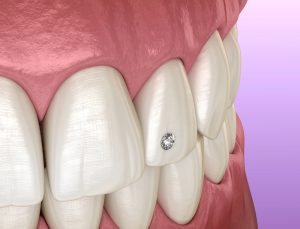
Teeth Jewelry refers to decorative items, such as gems, crystals, or metallic shapes, that are attached to the visible surface of the teeth. These small accents are usually placed on the front teeth and secured with a dental-grade adhesive that is similar to what orthodontists use for braces. Importantly, Teeth Jewelry is non-invasive—there is no drilling or permanent alteration of the natural tooth. Instead, the jewelry rests on the enamel’s surface, making it a temporary enhancement that can be removed without permanent change.
The practice is closely linked to oral fashion accessories, and enthusiasts describe it as a way to add sparkle to their smile or to express individuality. Common terms used in this field include tooth gems and dental crystals, each highlighting different materials and designs. The growing interest in Teeth Jewelry connects dentistry with beauty culture, creating a unique niche in cosmetic self-expression.
2. A Brief History of Teeth Jewelry
Decorating teeth is not a recent idea—it has deep historical roots. Archaeological evidence shows that the Mayan civilization embedded semi-precious stones like jade and turquoise into their teeth over 2,500 years ago. These adornments often signified social status, spiritual power, or cultural identity. Similarly, in ancient Etruscan and Roman societies, gold dental work was associated with wealth and prestige.
In modern times, gold tooth caps and grills became symbols of style, particularly in African American communities and hip-hop culture starting in the late 20th century. Celebrities such as Nelly, Lil Wayne, and Beyoncé brought grills into the mainstream, often encrusted with diamonds and precious metals.
The latest form of Teeth Jewelry, however, is distinct. Rather than permanent or elaborate mouthpieces, today’s trend focuses on small, sparkling tooth gems or dental crystals. This subtle version is more aligned with fashion and beauty movements than with cultural rebellion, allowing a wider audience to adopt it.
3. Research and Safety Considerations
Scientific research highlights that Teeth Jewelry is generally safe when applied by trained professionals. The adhesives used are similar to bonding agents for braces or dental veneers. However, safety depends on correct application. Improper bonding or removal may damage tooth enamel or increase sensitivity.
Studies emphasize the importance of dental hygiene for individuals wearing tooth gems. Because small crevices can form around the jewelry, plaque buildup is more likely if brushing and flossing are neglected. Dentists caution that DIY application kits pose risks, especially when adhesives not designed for oral use are substituted.
Research surveys also show that social media plays a major role in the popularity of Teeth Jewelry. On platforms such as Instagram and TikTok, hashtags like #toothgems and #dentalcrystals have accumulated millions of views. Young adults, especially women between 18 and 30, are among the most active adopters. This highlights how digital trends influence modern oral fashion.
4. New Developments in Teeth Jewelry
Like other fashion categories, Teeth Jewelry evolves rapidly. Several new developments have emerged in recent years:
-
Swarovski Tooth Gems: These crystals remain the most popular option, offering durability and brilliance. Available in multiple colors and shapes, they appeal to both minimalists and trendsetters.
-
Custom Designs: Customers can now request unique shapes such as stars, butterflies, initials, or even miniature symbols. This personalization reflects the broader trend of customized fashion.
-
Glow-in-the-Dark Crystals: UV-reactive gems that shine under black light are increasingly used for nightlife and music events.
-
Safer Adhesives: Advances in dental bonding materials have made modern applications less risky, reducing the chance of enamel damage and improving wear time.
-
Temporary Magnetic Options: Though less common, some experimental products allow magnets or clips that attach without adhesives, making them easier to apply and remove.
These innovations demonstrate how Teeth Jewelry blends dentistry with artistic creativity, turning smiles into canvases for fashion expression.
5. Products Available on the Market
The Teeth Jewelry market has expanded, offering a wide selection of products:
-
Professional Dental Crystal Services: Applied by licensed cosmetic dentists, these are the safest and longest-lasting options. They often use Swarovski or biocompatible crystals.
-
DIY Tooth Gem Kits: Sold online, these include small crystals, bonding materials, and applicators. However, experts caution against unsupervised use.
-
Luxury Accessories: High-end versions incorporate real diamonds, 18k gold shapes, or semi-precious stones. These are particularly popular among celebrities.
-
Removable Designs: Some companies offer clip-on or magnetic gems, marketed as safer and reusable alternatives.
Consumers can choose based on budget, safety, and desired effect. While professional services are more costly, they are also more reliable. DIY kits are affordable but carry risks of enamel damage or infection if not applied carefully.
6. Pros of Teeth Jewelry
Teeth Jewelry has several appealing benefits:
-
Non-invasive: Enhances appearance without drilling or permanent changes.
-
Personalization: Wide variety of colors, shapes, and materials allows self-expression.
-
Temporary: Can be removed or replaced as fashion preferences change.
-
Trend Alignment: Matches beauty and pop culture trends amplified by social media.
-
Confidence Boost: Many wearers report feeling more attractive or stylish with gems.
For individuals seeking creative oral fashion, tooth gems and dental crystals provide versatility without long-term commitment.
7. Cons of Teeth Jewelry
Despite its appeal, Teeth Jewelry has drawbacks:
-
Enamel Risk: Improper bonding or removal may weaken tooth surfaces.
-
Oral Hygiene Challenges: Gems can trap food particles, raising the risk of plaque buildup and gum irritation.
-
Temporary Wear: Gems may fall off after several months, requiring reapplication.
-
Expense: Professional applications can range from $50 to $250 per gem, depending on the material.
-
DIY Dangers: Using household adhesives or poor-quality kits may cause severe damage.
Balancing fashion with oral health is crucial. Dentists recommend professional application and regular cleaning to minimize risks.
8. Celebrity Influence and Popularity
Celebrity culture has amplified Teeth Jewelry’s popularity. Stars like Hailey Bieber, Kendall Jenner, and Post Malone have publicly shown off their tooth gems, inspiring fans worldwide. Music videos and red-carpet appearances featuring sparkling smiles fuel the demand among younger audiences.
Additionally, fashion magazines now include dental crystals in beauty trend lists, legitimizing the accessory in mainstream culture. This shift shows that what was once considered a fringe practice has become a widely accepted form of self-expression.
9. Future Outlook for Teeth Jewelry
The future of Teeth Jewelry looks promising. As dental adhesives become safer and more accessible, adoption is likely to increase. Analysts predict that the market for oral fashion accessories will continue growing, especially with customization options. Integration with smart technologies—like micro-crystals that light up electronically—may even appear in the next decade.
The trend also aligns with the broader movement toward temporary, non-invasive beauty products, suggesting lasting relevance. Just as nail art evolved into a global industry, Teeth Jewelry may carve its place as a permanent category in cosmetic fashion.
Conclusion
Teeth Jewelry represents a fascinating fusion of ancient traditions and modern fashion trends. From Mayan jade inlays to today’s Swarovski crystals, decorating teeth has always been about identity, beauty, and self-expression. Backed by new materials, celebrity influence, and growing accessibility, this oral fashion trend shows no signs of fading.
Still, caution is required. The pros—such as style, confidence, and versatility—must be balanced against the cons, including enamel risks and hygiene challenges. Whether you choose subtle tooth gems or bold dental crystals, Teeth Jewelry is ultimately about finding a sparkle that aligns with your personal style.
References
About the Author