1. What Determines the Cost of Teeth Cleaning
Dental cleaning prices vary widely, and understanding the influencing factors helps patients make informed decisions.
Geographic location and clinic pricing
Where you live strongly affects teeth cleaning cost. In urban areas with higher living expenses, clinics often charge more compared to rural or suburban settings. For example, a standard cleaning in New York may exceed $150, while the same procedure in a smaller town could cost less than $90.
Type of cleaning (routine vs deep)
Routine cleanings, also called prophylaxis, involve plaque and tartar removal above the gumline. These usually range between $75–$200. Deep cleanings, which address gum disease and involve scaling and root planing, may cost $300–$900 per quadrant, dramatically raising the total bill.
Patient’s dental condition (plaque, tartar levels)
A patient with minimal buildup may only need a quick polish, while heavy tartar requires longer sessions and specialized techniques. Poor oral hygiene habits or smoking can lead to more frequent and costly cleanings.
Insurance coverage and out-of-pocket portion
Most dental insurance policies cover two preventive cleanings per year at no cost. However, more extensive procedures like deep cleanings may only be partially covered, leaving patients with out-of-pocket expenses. Without insurance, patients face the full burden of the cost.
2. Additional Cost Variables
Beyond the basics, several subtle factors add to the overall teeth cleaning cost.
Use of specialty tools or technologies
Some clinics employ advanced ultrasonic scalers, laser cleaning, or air-polishing systems. While more effective, these methods often carry higher fees.
Frequency of cleaning and preventive care
Patients who attend regular appointments generally pay less over time. Skipping cleanings increases tartar buildup, leading to more complex and expensive treatments. Preventive care at home, including daily flossing and rinsing, lowers the long-term cost.
Dentist vs hygienist rates
Cleanings performed by a dentist can cost more than those performed by a dental hygienist. While hygienists handle most routine cleanings, complex conditions often require a dentist’s expertise, raising costs.
3. Tips to Lower Your Teeth Cleaning Cost
Smart planning can significantly reduce dental expenses.
Use preventive maintenance (floss, rinse)
Daily brushing, flossing, and fluoride rinses reduce tartar buildup and minimize the need for more expensive procedures.
Shop for discount dental plans
For uninsured patients, discount dental plans offer negotiated rates with participating providers, reducing the average cleaning cost by 20–60%.
Bundle with other services
Some clinics provide discounts when patients schedule cleanings alongside checkups, X-rays, or whitening services. Asking about package deals is a practical way to save.
4. When More Extensive Cleaning Is Required
At times, patients need more than just a standard cleaning.
Scaling and root planing
This procedure involves deep cleaning below the gumline to remove bacteria and tartar. It is often necessary for patients with early gum disease. The cost per quadrant can be significant, making prevention a better investment.
Treatment of gum disease
Advanced gum disease may require repeated deep cleanings, antibiotics, or surgical intervention, all of which increase costs substantially.
Deep cleaning vs maintenance
Deep cleanings set the stage for long-term oral health. Once completed, patients must maintain results with regular maintenance cleanings, which cost less but are more frequent.
5. FAQs About Teeth Cleaning Cost
“Is teeth cleaning covered by insurance?”
Yes, most dental insurance plans cover two cleanings per year as preventive care. However, patients without insurance should expect to pay between $75 and $200 for routine cleanings. Deep cleanings and periodontal treatments are only partially covered in most plans.
“How often should I get a cleaning?”
Dentists typically recommend professional cleaning every six months. Patients with gum disease, diabetes, or heavy tartar buildup may need cleanings every three to four months.
6. The Psychological and Social Impact
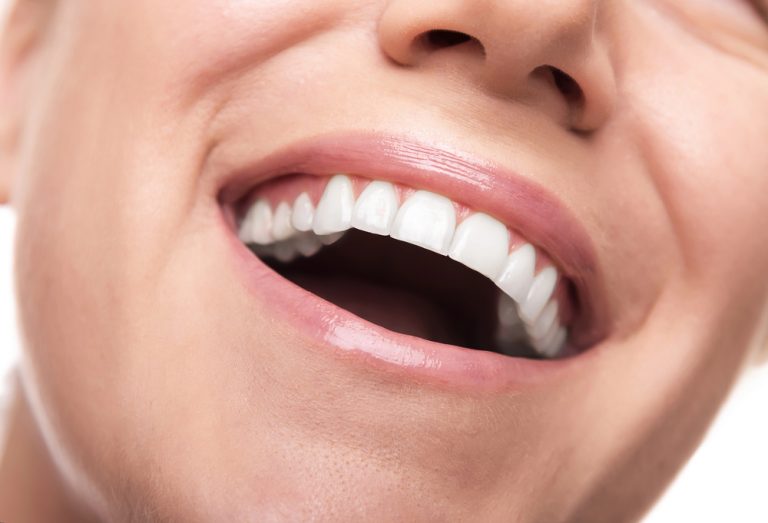
A clean smile influences more than oral health. Patients often report improved confidence and reduced anxiety about social interactions after professional cleaning. For professionals, a bright smile can even impact career opportunities. Celebrities and influencers contribute to the trend of prioritizing dental care, raising awareness about both benefits and costs.
7. Future Outlook for Teeth Cleaning Cost
Advances in dental technology are shaping future pricing. Laser-assisted cleanings may reduce discomfort and healing time, though they currently cost more. As technology becomes mainstream, prices may level out. Preventive dentistry, artificial intelligence in dental diagnostics, and at-home smart cleaning tools will likely make routine care more affordable and accessible.
Conclusion & Summary of Cost Factors
The teeth cleaning cost depends on seven major factors: location, type of cleaning, dental condition, insurance coverage, specialty tools, frequency of care, and provider rates. By practicing preventive maintenance, exploring discount plans, and bundling services, patients can keep costs manageable. For those requiring deep cleaning, investing in oral health today reduces long-term financial and medical burdens.
References
-
American Dental Association – Preventive Dental Care
-
National Institute of Dental and Craniofacial Research – Periodontal Disease
-
Mayo Clinic – Dental Cleaning Procedures
-
Cleveland Clinic – Scaling and Root Planing
About the Author