Purple Teeth Whitening: 9 Brilliant Secrets Explained
1. Definition of Purple Teeth Whitening
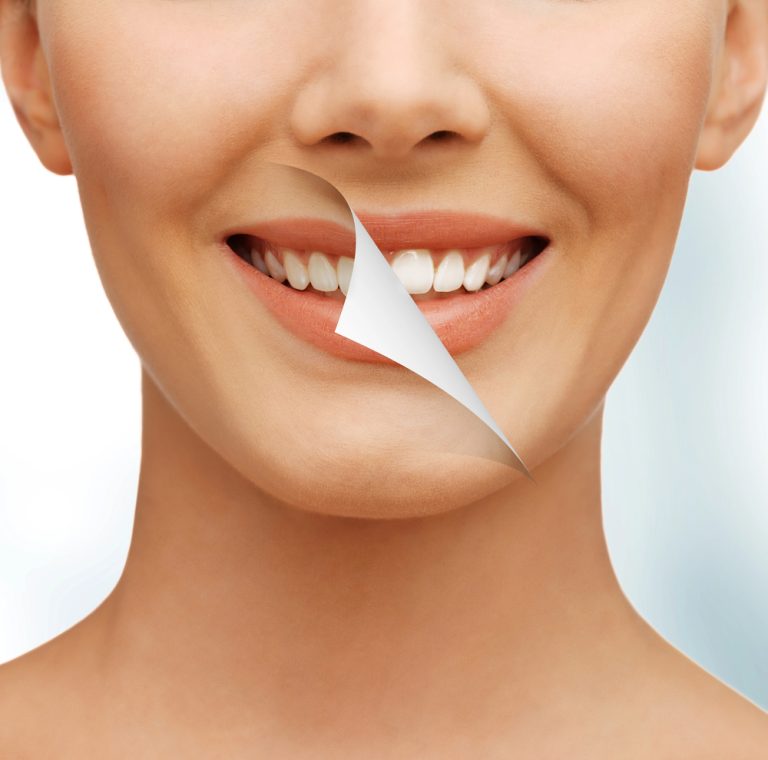
Purple teeth whitening is an emerging oral care technique that uses violet or purple-hued solutions to neutralize yellow undertones on teeth. Unlike traditional peroxide-based whitening, which physically bleaches enamel, purple whitening relies on color theory: purple cancels out yellow on the visible spectrum, creating the perception of whiter teeth instantly. This approach is often packaged as a whitening serum, foam, or toothpaste that can be applied at home.
Secondary terms often associated include color-correcting toothpaste, teeth brightening, and cosmetic whitening hacks. Importantly, purple teeth whitening does not chemically alter tooth enamel but instead provides a temporary optical effect, much like purple shampoo works for blonde hair.
2. History of Purple Whitening Solutions
The origins of purple whitening date back to the beauty industry’s use of color correction. Hair stylists in the early 20th century used violet tones to balance brassiness in blonde and silver hair. Over time, cosmetic brands adapted similar principles for makeup primers, using purple tints to brighten dull complexions.
By the early 2020s, oral care brands noticed the potential crossover. As peroxide whitening drew criticism for causing sensitivity, purple alternatives were marketed as a gentler, cosmetic quick fix. The viral explosion on TikTok in 2021–2022, where influencers showcased instant whitening effects, cemented purple whitening as a mainstream trend.
3. Scientific Research and Evidence
Research into purple teeth whitening remains relatively limited compared to peroxide-based methods. Optical illusions through complementary colors are well established in physics and cosmetology. The violet pigments reflect light in a way that counteracts yellow tints.
However, peer-reviewed dental studies caution that purple products are temporary, often lasting only until the next meal or brushing. A 2022 review from the Journal of Esthetic and Restorative Dentistry highlighted that while color-correcting pastes can improve brightness by one to two shades, they are not substitutes for clinical whitening procedures .
Dentists emphasize combining purple whitening with professional cleanings and safe bleaching for long-term results.
4. New Developments and Innovations
Recent advancements include hybrid products combining purple pigment with low-level peroxide, offering both instant visual brightening and gradual whitening. Brands are also experimenting with foam-based applications that provide more even coverage than toothpaste.
Another development is purple LED gel systems, marketed as “double action” kits. These combine blue-light technology with violet serum for enhanced results. Tech-driven oral care startups are also integrating whitening with AI-powered toothbrushes that track pigment distribution for personalized whitening suggestions.
5. Products on the Market
Consumers today can choose from:
-
Purple Whitening Toothpaste – everyday use, subtle effect.
-
Whitening Serums & Gels – applied before events for quick results.
-
Foaming Mouthwashes – fast-acting but less concentrated.
-
Hybrid LED Whitening Kits – combining light technology with violet gel.
Popular brands include HiSmile’s V34 Color Corrector and Colgate’s purple-tinted pastes. Each product is marketed as non-invasive, requiring no trays, strips, or dental visits.
6. Pros of Purple Teeth Whitening
-
Instant Results: Brightening effect visible after one use.
-
Gentle: No enamel erosion or gum irritation compared to peroxide.
-
Affordable: Typically less expensive than dental whitening.
-
Convenience: Easy to apply before social events or photos.
7. Cons of Purple Teeth Whitening
-
Temporary Effect: Lasts only a few hours or until brushing.
-
No Structural Whitening: Does not remove intrinsic stains.
-
Marketing Hype: Many products exaggerate long-term results.
-
Variable Results: Effectiveness depends on tooth shade and enamel condition.
Dentists warn consumers not to confuse cosmetic color correction with true whitening treatments.
8. Celebrity and Social Media Influence
Celebrities and influencers have played a major role in the popularity of purple teeth whitening. Viral TikTok videos showing before-and-after transformations skyrocketed brand sales. Social media trends often emphasize quick fixes, which has made purple whitening especially appealing for young audiences seeking camera-ready smiles.
Notably, several reality TV stars have promoted violet gels, reinforcing the link between aesthetic culture and oral health trends.
9. Psychological and Social Impact
The psychological effect of whiter teeth cannot be underestimated. Studies show that individuals perceive themselves as more confident and socially attractive after whitening treatments . Purple whitening taps into this psychology by providing an immediate self-esteem boost, even if results are short-lived.
The rise of “Zoom culture” during the pandemic accelerated demand for cosmetic whitening, as people scrutinized their smiles more closely on video calls.
10. Consumer Guide: Choosing Wisely
When selecting a purple teeth whitening product, consumers should:
-
Check for FDA-approved ingredients or dentist-recommended formulas.
-
Read reviews for realistic before-and-after expectations.
-
Consider combining purple products with professional whitening for lasting results.
-
Avoid overuse, as some formulations can stain lips or gums temporarily.
Experts recommend trying purple whitening for events but relying on safe long-term methods like custom dental trays for structural whitening.
11. Future Outlook of Purple Whitening
The future of purple whitening lies in hybrid innovation. We may see:
-
Nanotechnology pigments that bind longer to enamel.
-
AI-driven oral scanners that optimize pigment application.
-
Environmentally friendly formulations using plant-based pigments instead of synthetic dyes.
Dental researchers suggest purple whitening may become a standard pre-whitening primer rather than a standalone treatment .
References
-
Journal of Esthetic and Restorative Dentistry – Review on color-correcting oral products (2022)
-
American Academy of Cosmetic Dentistry – Patient Perceptions of Whitening
-
National Library of Medicine – Advances in Cosmetic Dentistry Research
About the Author